Demos
 Colors
 Docs
 Support







Introduction
Running a business involves countless responsibilities. From managing customers and employees to handling sales, marketing, and daily operations, financial management can sometimes get pushed to the bottom of the priority list. Many business owners focus on generating revenue while overlooking the importance of understanding where their money is coming from and where it is going.
Ignoring your business finances, however, can create serious problems over time. A business can have strong sales and still struggle financially if expenses are not controlled, cash flow is poorly managed, or financial records are inaccurate.
Understanding your finances is not simply an accounting responsibility. It is an essential part of running a healthy and sustainable business.
You Lose Visibility Into Your Business Performance
When financial records are not maintained properly, it becomes difficult to understand how your business is actually performing.
Revenue alone does not tell the complete story. A business may generate significant sales but still have low profits because of rising operating expenses, unpaid invoices, excessive overhead, or poor cash flow management.
Accurate bookkeeping provides a clear picture of revenue, expenses, profits, liabilities, and available cash. Without this information, business owners are often forced to make important decisions based on assumptions rather than facts.
Cash Flow Problems Can Go Unnoticed
Cash flow is one of the most important aspects of business financial health.
A profitable business can still face financial difficulties if customers delay payments or if expenses become due before sufficient cash is available. When business owners fail to monitor cash flow, these problems can remain hidden until they become urgent.
Regularly reviewing incoming and outgoing cash allows businesses to anticipate shortages, plan payments, manage receivables, and maintain sufficient working capital.
Good financial management helps prevent unexpected cash flow crises.
You May Overspend Without Realizing It
Small expenses can quickly become significant when they accumulate over time.
Software subscriptions, office expenses, advertising costs, professional services, travel, equipment, and other operational expenses can gradually increase without receiving proper attention.
When expenses are not regularly reviewed and categorized, businesses may continue paying for services they no longer need or spend more than necessary in certain areas.
Regular financial reviews help identify unnecessary expenses and create opportunities to improve profitability.
Tax Season Becomes More Stressful
Poor financial management can make tax season unnecessarily difficult.
Missing receipts, uncategorized expenses, inaccurate income records, unreconciled bank accounts, and incomplete financial statements can create significant challenges when preparing tax returns.
Business owners may spend valuable time searching for documents and correcting records instead of focusing on their operations.
Maintaining accurate books throughout the year makes tax preparation faster, more organized, and less stressful.
You Could Miss Valuable Tax Deductions
Ignoring your finances can also result in missed opportunities to claim legitimate business deductions.
When expenses are not properly recorded and categorized, eligible deductions may be overlooked during tax preparation.
Accurate bookkeeping makes it easier to identify business-related expenses and maintain the documentation needed to support them.
Proper financial recordkeeping helps businesses take advantage of applicable deductions while maintaining accurate tax reporting.
Financial Errors Can Go Undetected
Small bookkeeping errors may seem harmless, but they can accumulate over time.
Duplicate transactions, missing payments, incorrect expense categories, unreconciled accounts, and inaccurate invoices can distort financial reports and create misleading information.
Regular reconciliation and financial reviews help identify these problems early.
The sooner an error is discovered, the easier and less expensive it is to correct.
Business Decisions Become More Difficult
Successful business decisions require reliable financial information.
Whether you are considering hiring employees, opening another location, purchasing equipment, increasing marketing spending, or launching a new service, you need to understand whether your business can financially support the decision.
Without accurate financial data, business owners may make decisions based on revenue figures or intuition rather than actual profitability and cash flow.
Financial visibility gives you the confidence to make better strategic decisions.
You May Struggle to Secure Business Financing
Banks, lenders, and investors often require financial documents before providing funding.
These may include profit and loss statements, balance sheets, cash flow statements, tax returns, and other financial records.
If your books are incomplete or disorganized, preparing these documents can become difficult. Poor financial records may also make your business appear less financially stable to potential lenders or investors.
Maintaining organized books throughout the year keeps your business prepared when financing opportunities arise.
Growth Can Become Difficult to Manage
Business growth creates additional financial complexity.
As revenue increases, businesses may need to manage more employees, suppliers, customers, invoices, expenses, taxes, and financial obligations.
If financial systems are already disorganized, rapid growth can magnify existing problems.
Strong bookkeeping and accounting processes provide the financial foundation needed to scale operations efficiently and maintain control as the business becomes larger.
Profitability Can Decline
One of the most serious consequences of ignoring business finances is declining profitability.
Without regularly reviewing financial reports, business owners may not notice that expenses are increasing faster than revenue or that certain products, services, or customers are generating lower margins.
Financial analysis helps identify where the business is making money and where improvements are needed.
Understanding profitability allows owners to adjust pricing, control expenses, improve operations, and focus resources on the most valuable opportunities.
Financial Fraud and Unauthorized Transactions May Go Unnoticed
Poor financial oversight can make it easier for unauthorized transactions or financial irregularities to remain undetected.
Regular bank reconciliations, expense reviews, and financial reporting create additional layers of oversight and help identify unusual activity.
Maintaining accurate records is therefore important not only for tax purposes but also for protecting the financial integrity of the business.
Your Business Becomes Dependent on Guesswork
When financial information is unavailable or unreliable, business owners often start estimating.
They may guess how much cash is available, estimate monthly expenses, assume which services are profitable, or make decisions based on the balance in a bank account.
This approach can be risky because the bank balance does not necessarily represent the true financial position of a business.
Accurate bookkeeping replaces guesswork with reliable financial information.
How Regular Bookkeeping Prevents These Problems
The best way to avoid financial problems is to treat bookkeeping as an ongoing business process rather than a task reserved for tax season.
Transactions should be recorded regularly, bank accounts should be reconciled, invoices should be tracked, expenses should be categorized, and financial reports should be reviewed consistently.
Monthly financial reviews can help business owners identify problems early and take corrective action before they become serious.
Using professional bookkeeping services can make this process significantly easier, especially for businesses without an in-house financial team.
When Should You Seek Professional Bookkeeping Help?
If you are constantly behind on your books, unsure about your profitability, struggling with cash flow, or spending too much time organizing financial records, it may be time to seek professional support.
Professional bookkeepers can manage daily transactions, reconcile accounts, organize expenses, maintain financial records, and prepare accurate reports.
Outsourcing bookkeeping allows business owners to spend more time running their businesses while experienced professionals maintain financial accuracy behind the scenes.
Conclusion
Ignoring your business finances may not create an immediate problem, but the consequences can become increasingly serious over time. Poor financial visibility can lead to cash flow problems, missed tax deductions, unnecessary expenses, inaccurate reporting, difficult business decisions, and slower growth.
Financial management should be viewed as an essential part of business strategy rather than an administrative burden.
By maintaining accurate bookkeeping, reviewing financial reports regularly, monitoring cash flow, and seeking professional support when necessary, business owners can gain greater control over their finances and make more confident decisions.
Your business finances tell the story of your company’s health. The sooner you start paying attention to that story, the better prepared you will be to build a profitable and sustainable business.
Post a comment
Related Posts
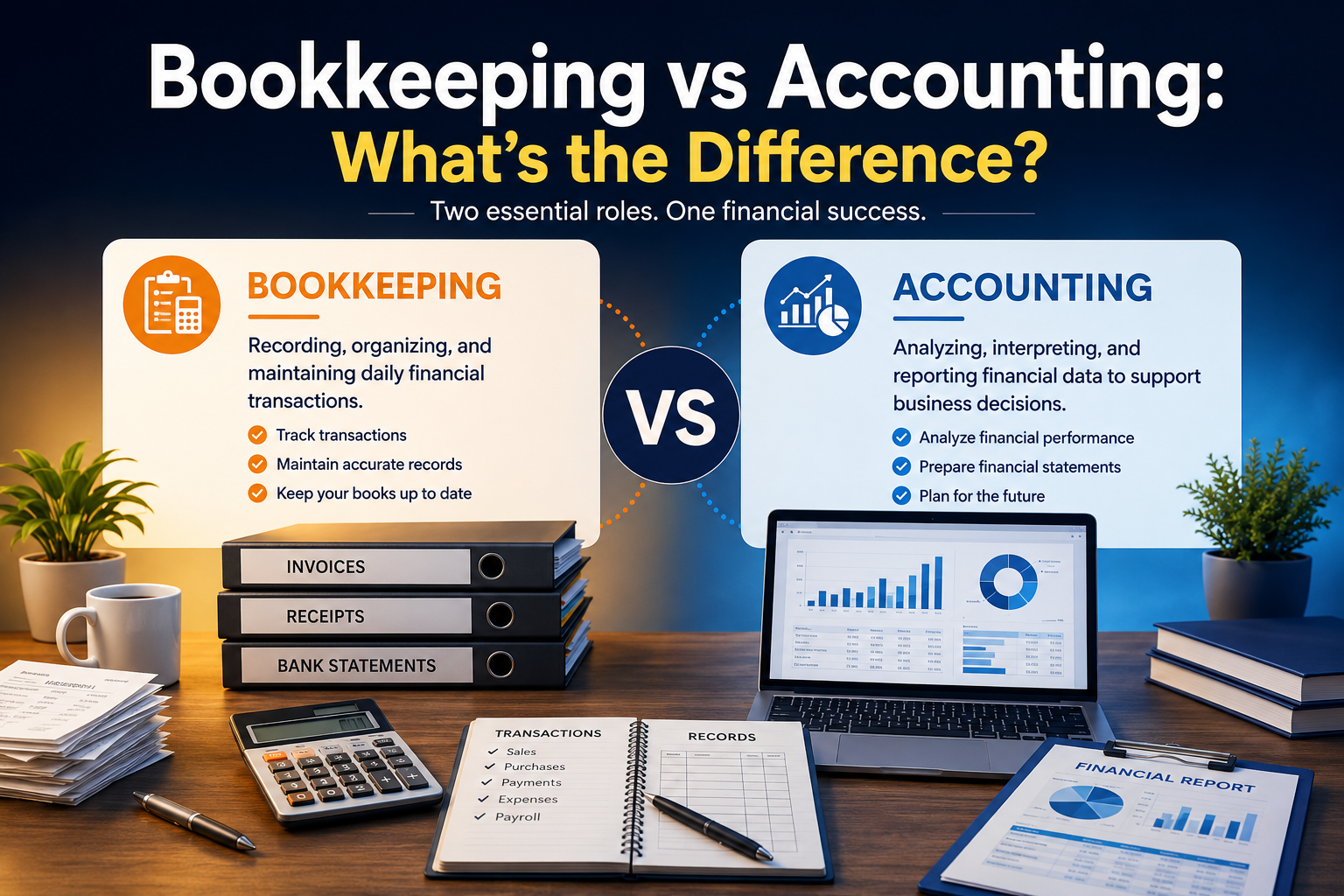
Bookkeeping vs. Accounting: What’s the Difference?
Managing your business finances is one of the most important responsibilities of being a business…

Why Clean Books Matter During Tax Season
Introduction For many business owners, tax season is one of the most stressful times of…
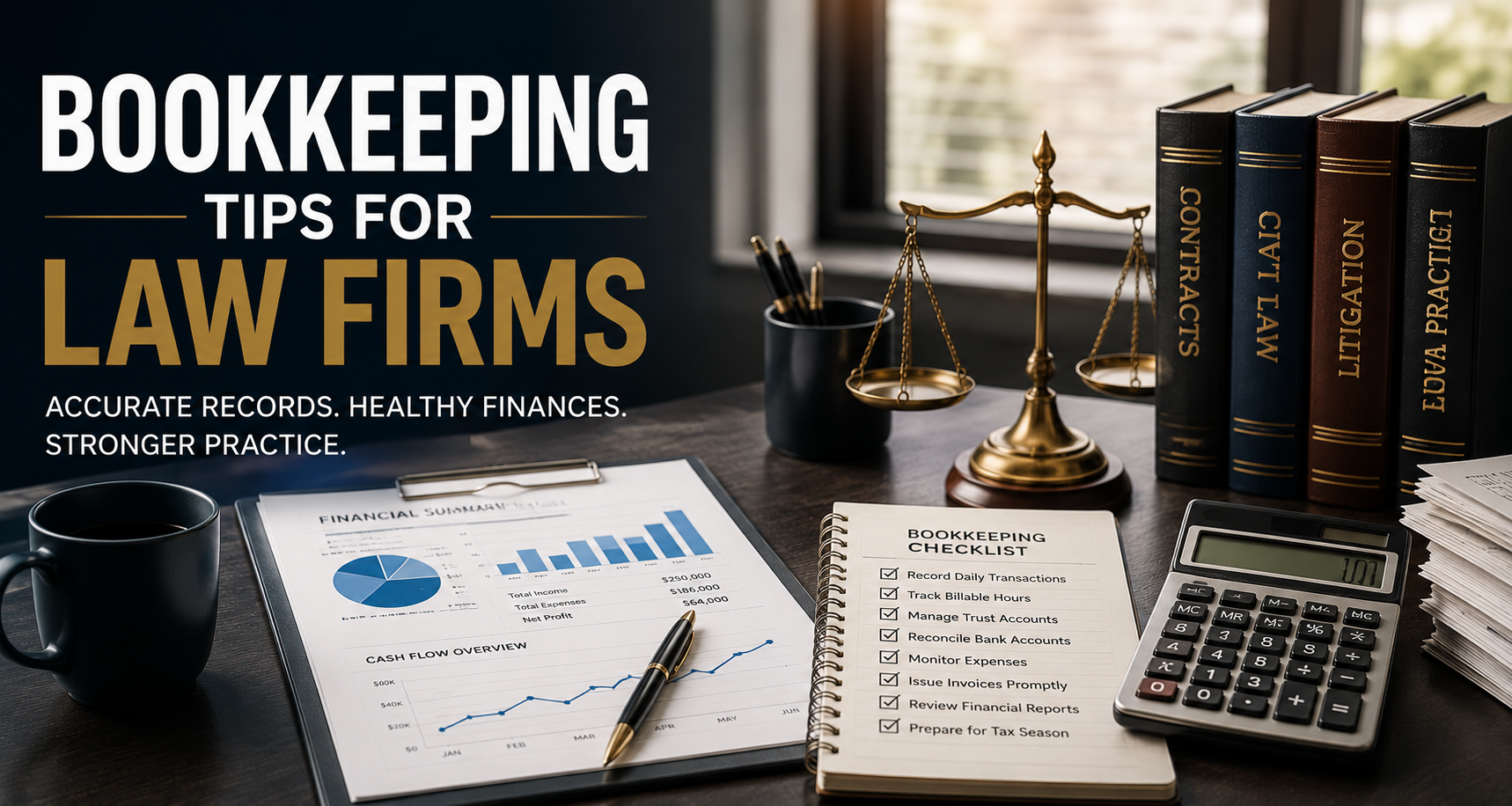
Bookkeeping Tips for Law Firms
Introduction Running a successful law firm requires more than delivering exceptional legal services. Behind every…